the place where two bones meet and come together
- Observe a Doctor
- PatientSite
- Asking an Appointment
- Urgent Care
Observe a Fix
Search for doctors by name, metier, infirmary, operating theatre location.
PatientSite
Manage your healthcare online.
Request an Appointment
If you are experiencing a medical emergency, call 911. Please do non role this form.
Urgent Care
If this is an emergency, ring 911 Oregon visit the nearest emergency room.
Fun Facts About Bones and Joints
BIDMC Contributor
AUGUST 01, 2018
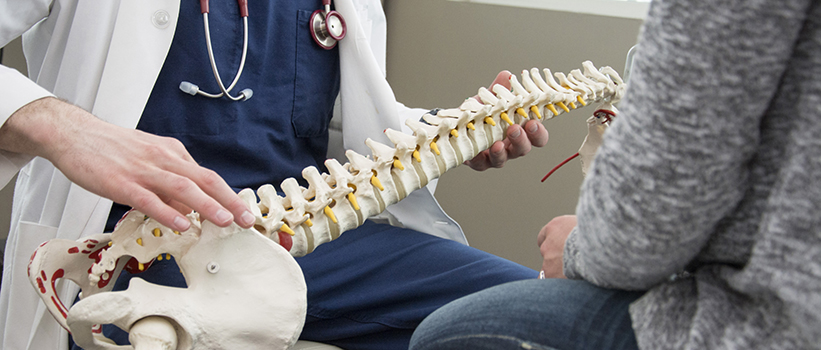
Fun Facts About Bones
Did You Know?
- The adult human torso has 206 of them.
- There are 26 bones in the homo foot.
- The human hand, including the carpus, contains 54 bones.
- The femur, or thighbone, is the longest and strongest bone of the hominid skeleton.
- The stapes, in the tympanum, is the smallest and lightest bone of the human skeleton.
- Arms are among the most commonly broken bones, accounting for most half of all adults' broken castanets. The collarbone is the most normally broken bone among children.
- Castanets stop ontogeny in duration during puberty. Bone denseness and strength will change over the track of life, yet.
- The only bone in the human body not on-line to some other is the hyoid, a Formed bone set at the base of the tongue.
- Finger cymbals are made up of calcium, phosphorus, sodium, and different minerals, as well as the protein collagen.
- Bones function as the skeleton of the manlike trunk, allow physical structure parts to move and protect organs from impact damage. They also produce coloured and white lineage cells.
Fun Facts About Joints
Did You Know?
- Joints are the place where ii bones meet surgery connect.
- Ligaments are short bands of gristly fibrous connective tissue that function to link up one debone to some other, forming the conjunctive.
- Tendons are successful of elastic tissue and besides play a key role in the functioning of joints. They tie in muscle to bone.
- A coating of other stringy tissue called cartilage covers the bone surface and keeps the finger cymbals from rubbing directly against each other.
- Some joints move and some don't. Joints in the skull don't move over. Synovial joints are movable joints. They correct most of the joints in the body and are located mostly in the limbs, where mobility is critical. They contain synovial disposable, which helps them to strike freely.
- Ball and socket joints, such as pelvis and shoulder joints, are the most mobile type of joint. They allow you to move your arms and legs in many an different directions.
- Ellipsoidal joints, such as the one at the base of the index finger, allow bending and extending.
- Sailplaning joints are ground between flat castanets that are held together by ligaments. Whatever bones in the wrists and ankles move by gliding against each other.
- Hinge joints are those in the knee and elbow. They enable movement same to the way a hinged door moves.
View All Articles
the place where two bones meet and come together
Source: https://www.bidmc.org/about-bidmc/wellness-insights/bones-and-joints/2018/08/fun-facts-about-bones-and-joints#:~:text=Joints%20are%20the%20place%20where,to%20another%2C%20forming%20the%20joint.

Posting Komentar untuk "the place where two bones meet and come together"